- You have no items in your shopping cart
- Subtotal: $0.00
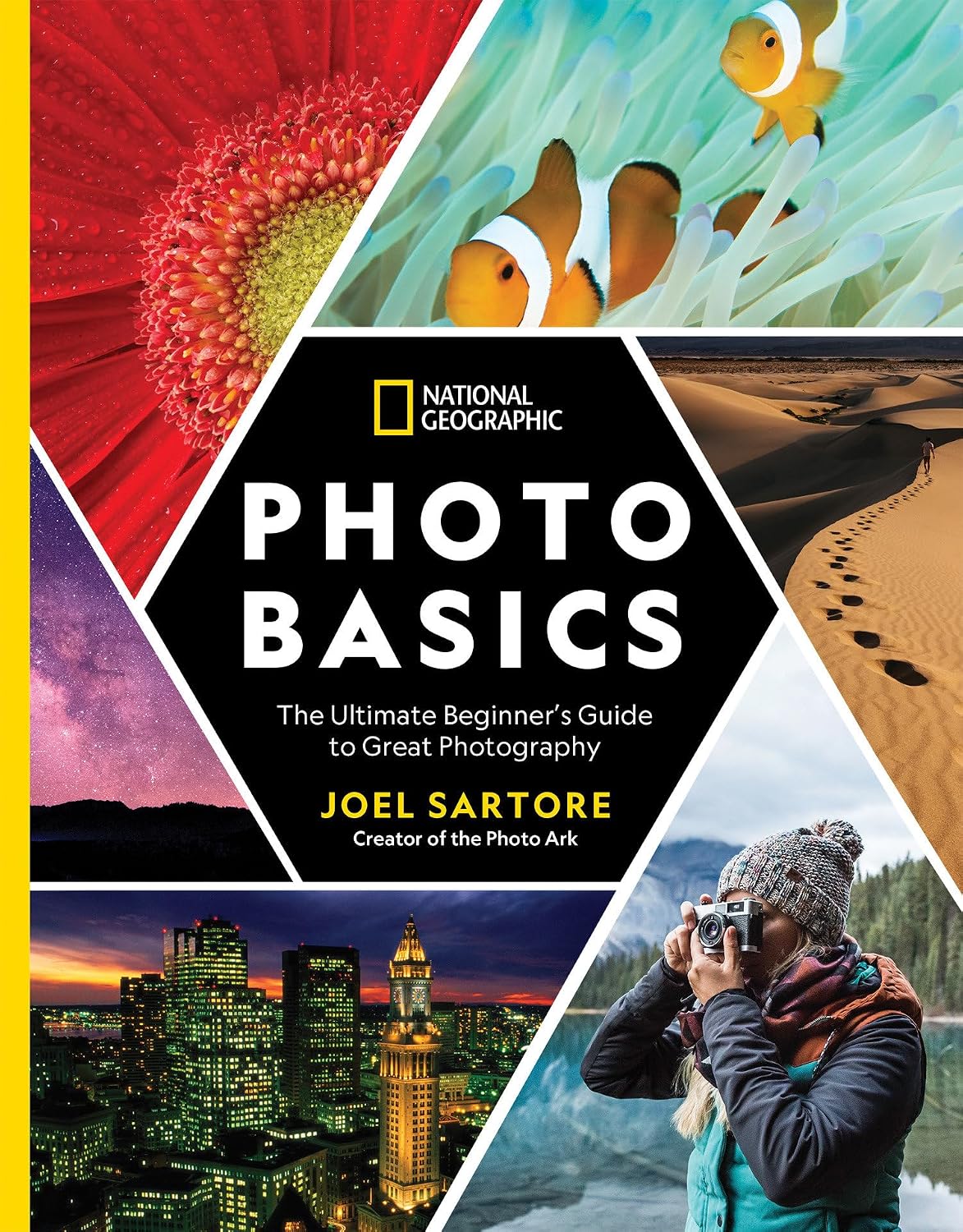
Description For digital camera and smartphone users, this easy how-to guide, written by an experienced National Geographic photographer, imparts the essentials of taking great pictures. This entertaining book from beloved National Geographic photographer and Photo Ark founder Joel Sartore shows aspiring photographers how to take great pictures, from framing and F-stops to editing and archiving. Whether you’re using a phone or a DSLR camera, you’ll learn fundamentals that you’ll put to work every day. Chapter by chapter, Sartore explains the basics, from choosing a camera and gear to understanding focus, exposure, composition, and lighting. Using examples from his own work, he applies key rules of photography to family, pet, travel, nature, and street photos. Throughout the book you’ll find pro tips, quick assignments, and behind-the-lens stories of great photographs, with targeted advice on using your smartphone camera. Fun and informative, this practical book will be your gateway to taking great pictures. From the Publisher How to use this Book In National Geographic Photo Basics, you’ll find knowledge, advice, and useful tips for beginning photographers. With National Geographic photographer Joel Sartore as your guide, you’ll learn the fundamentals of great photography and how to put them to work in your own photos. Photo Basics The Ultimate Beginner’s Guide to Great Photography This entertaining book from beloved National Geographic photographer and Photo Ark founder Joel Sartore shows aspiring photographers how to take great pictures, from framing and F-stops to editing and archiving. Whether you’re using your phone or a DSLR camera, you’ll learn the fundamentals of photography–and how to put them to work every day. In a series of short lessons, Sartore explains the basics, from choosing a camera and gear to understanding focus, exposure, composition, and lighting. Part One: The Basics Part Two: Practicing the Basics What you need to get started For most people, everything you need to make great photographs can fit into a backpack. You’ll always want to have the following: a camera you’re familiar with, a lens or two, extra memory cards, batteries or a battery charger, and a lens cloth—but a clean T-shirt will do in a pinch! Depending on your goals for the shoot and your camera, you may also want an external flash. In all of this, it’s important for you to invest in the equipment that’s right for you. Consider your goals, the amount of time you have to devote to photography, and what your budget will allow. Ultimately, you’ve got to put together a kit that will go with your style—of work, of shooting, of storytelling. If you can tell the story with less, don’t drag around extra gear just because a book tells you you should. As in life, you’ll be most successful in photography if you’re true to yourself. Types of Cameras Most smartphones have high-quality cameras built right in. These cameras are getting more advanced with every new model of phone, with better image quality and more photographer control. If it’s always in your pocket, you won’t miss a shot as long as your battery is charged. Types of Cameras These small and lightweight cameras are usually about the size of a deck of cards. The lens and flash are built in, leaving you with fewer customization options. But they tend to have larger sensors and more storage capacity than phone cameras, making them a great option if you don’t want to carry anything big or heavy. Types of Cameras A mirrorless camera is a digital camera without an internal mirror system. Many of these models have interchangeable lenses, but with a lighter and thinner camera body. Instead of the optical viewfinder, you’ll have an electronic viewfinder to preview your image, where the camera projects what it sees onto an LCD screen on the back of the camera body. With fantastic image quality and nearly silent shooting, mirrorless cameras are on the rise with professional photographers, but at a higher price point, they remain a little beyond what most hobbyists will want to spend. Types of Cameras A digital single-lens reflex camera, or DSLR, allows you total control over settings and lenses. You can often buy a starter kit that includes a camera body and a zoom lens that will work in a variety of situations, and gradually add more lenses to your kit over time. If you want to create fine-art photographs in your garden, or dramatic long-lens shots of grizzly bears in golden light, you’re going to want the options and flexibility a DSLR provides. Smartphone Cameras Point-and-Shoot Cameras Mirrorless Cameras DSLR Cameras Lighting Tools Built-In Flash Most compact and DSLR cameras come with a built-in flash unit. These are small and relatively low-powered. In our opinion, this little flash will only cause you trouble, adding dreaded red-eye to your photographs, and making them look more like snapshots. We say, leave it off. Umbrella By bouncing the flash into an umbrella, you enlarge the size of your light source and produce much softer light on your subjects. This is ideal for portraits. You can get a similar effect by bouncing your flash off a reflector, white poster board, or even a white wall or ceiling. You can also use a translucent umbrella and have the light pass through it (rather than bounce off it). Both bouncing and diffusing work to soften the light in slightly different ways. Reflector A reflector is an object used to reflect light onto a subject. Although you can buy a tool for this purpose, you can also use what’s available to you, like a wall or even a T-shirt. Keep in mind that the color of the object will impact the reflected light. White reflectors bounce neutral light, while silver yields a cool tone and gold gives a warm tone. Lens Filters In general, it’s good practice to have a filter on your lens to protect it from dust and scratches. Filters can also impact the image. A polarizing filter will darken skies and reduce glare off of reflective surfaces like water. Filters may also impact your exposure, so choose wisely.These days, most filter effects can be applied relatively easily in your digital darkroom after the fact, so don’t sweat it if a filter isn’t in your budget. More on postproduction of your photos later. Publisher : National Geographic; Illustrated edition (November 12, 2019) Language : English Paperback : 256 pages ISBN-10 : 1426219709 ISBN-13 : 978-1426219702 Item Weight : 2.31 pounds Dimensions : 7.61 x 0.66 x 9.71 inches Customers say Customers find the photography guide easy to understand, with one mentioning it includes assignments for practice. Moreover, the book serves as a must-read for beginners and is particularly useful for teaching photography to kids and teens. Additionally, the guide features great photo samples, and customers appreciate its beautiful presentation and consider it good value for money. AI-generated from the text of customer reviews
Q & A
There are no questions yet